
Sing With Mary

Updated: Jan 8
A Song of Joy and Faith
Many of us like to sing when we are happy. We may not often picture Mary singing, but Luke shares with us a song of joy she sang about the glorious things God had promised her. This was not a polished performance or a song meant for an audience, but an overflow of a heart filled with faith. You and I today can sing with Mary and praise God for His Son, as she did all those years ago, rejoicing in what God has done and trusting Him for what He will do.
When Mary arrived at her cousin Elizabeth's home, Elizabeth filled with the Holy Spirit (Luke 1:45), told Mary she was blessed for believing and that the things Mary had been told would happen. Even the child Elizabeth was carrying, who would become known as John the Baptist, leapt for joy in Elizabeth's womb. Mary’s joy and Elizabeth’s Spirit-filled affirmation naturally lead to praise.
The Magnificat
In response, Mary sang a beautiful song of praise to God known as the Magnificat. Mary's song is as relevant to us as it was to her. In Luke 1:46-48(a) she says:
" And Mary said: “My soul magnifies the Lord, And my spirit has rejoiced in God my Savior. For He has regarded the lowly state of His maidservant;"
Mary’s song is not only personal praise; it is deeply rooted in Scripture. The language and themes of the Magnificat echo the Old Testament, especially Hannah’s prayer in 1 Samuel 2. Like Hannah, Mary praises a God who reverses human expectations by lifting the humble and bringing down the proud.
This reminds us that Mary’s faith was shaped by God’s Word. Her response to God’s promise did not come from emotion alone, but from a heart grounded in Scripture. When God acts, His people respond with praise informed by truth.
Shouldn't we all be able to say with Mary that our soul magnifies the Lord? We also should praise Him and see in our very soul the glorious wonder and mighty power that is His. Can't we all agree with Mary that our spirit rejoices in our Savior?
Where would we be without our Savior? We may not all be "lowly" but those who are not powerful in this world can relate very much to Mary's lack of status. In magnifying the Lord, Mary also reflects on what God has done for her personally.
Blessed Mary
Mary continues in verse 48 and says, "For behold, henceforth all generations will call me blessed." Indeed, who in this world could be more blessed than the one chosen to bring Jesus into the world.
Many people read Mary’s words and feel as though her blessedness is something far beyond their reach. But Mary wasn’t blessed because she was powerful, wealthy, or important. She was blessed because she believed God and submitted herself to His will. That same attitude is what God desires from us today.
We will never be asked to carry the Messiah, but each of us is called to carry His light into the world. Faith, humility, and obedience still open the door to God’s blessings in our lives. Mary’s blessedness points beyond herself to the mighty works of God.
He Has Done Great Things
She continues in verses 49 and 50 to exclaim that God had done great things for her. She talks about His holy name. She tells us His mercy will be on people who fear Him for all time. All of us can say with Mary that our mighty God has done great things for us. We may not always recognize them, but He has given us so many wonderful blessings, beginning with His Son's redemption of us.
Mary’s words remind us that gratitude begins with remembering. She did not wait until everything was fulfilled to praise God; she praised Him for what He had already promised and begun to do. In the same way, we often miss God’s blessings because we are looking for something dramatic, while He is quietly working through His grace, His Word, and His faithfulness. When we take time to remember what God has done, especially through Christ, it naturally leads us to worship. To understand God’s mercy, we must also understand what it means to fear Him.
Fear God
God's name is holy, Mary says. His name is not to be used in passing, lightly, or certainly never as a curse word. And thanks be to God for His mercy. Who does He have mercy on? Mary says those who "fear" Him. Those who have reverence and awe for Him. Those who know He is a God of justice. This is why we should fear the Lord.
Mary also connects God’s holiness with His mercy. This may seem surprising, but it is precisely because God is holy that His mercy is so precious. His mercy is not random or careless; it is extended to those who fear Him from generation to generation. To fear the Lord does not mean to live in terror, but to live with a deep awareness of who He is. It is reverence mixed with trust, knowing that God is righteous and just, yet compassionate and faithful.
Those who fear the Lord understand that He is a God of justice who does not overlook sin, but they also trust His promise of mercy to those who humble themselves before Him. This kind of fear shapes how we live. It leads us away from casual faith and toward obedient worship.
When we fear the Lord rightly, we honor His holiness, rely on His mercy, and submit our lives to His authority. Mary’s words remind us that true reverence for God doesn't hold us back but leads to greater blessings. This reverence for God is reflected in the way He acts in the world.
Mighty Works Of God
Mary then goes on to sing of some of the mighty works of God (Luke 1:51-55). She explains that the proud and mighty have been scattered and put down from their thrones. The unimportant and lowly people have been exalted. While the hungry have been fed, the rich have gone without. Israel, the servant, has been helped, His mercy remembered. God has spoken to Israel's fathers, to Abraham and his children and He always will.
The Magnificat also reveals that God’s work through Christ is not limited to individual blessing but reaches into history itself. Mary speaks of God’s mercy extending “from generation to generation” and of promises made long ago to Abraham being fulfilled. Even before Jesus was born, Mary recognized that God was keeping His covenant.
This reminds us that the birth of Christ was not an isolated event, but the unfolding of God’s redemptive plan. What God promised, He accomplished: quietly, faithfully, and in His perfect time. Mary’s song makes clear that God’s power is often revealed through humility.
God Exalts The Lowly
Mary reminds us that God did not use the mighty, the proud, or the rich to save the world. No, God used the poor and the lowly. He used those who were humble. God is faithful and true to His promise to Israel, as Mary reminds us that, "He has helped His servant Israel" to bring forth a Messiah from the House of Judah and the line of David. Mary’s faith rested not in her circumstances, but in God’s promises.
Mary Knew
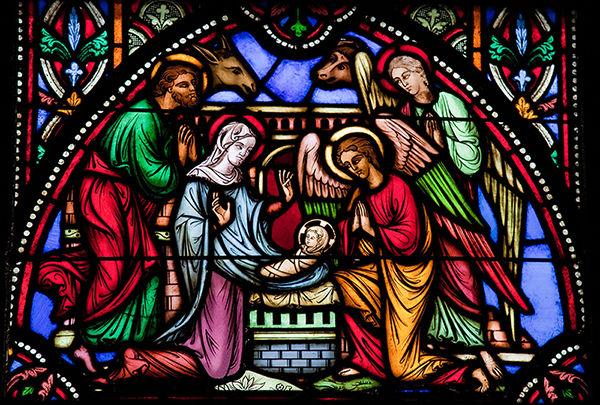
After a three month stay with Elizabeth Mary returned to Nazareth, and in due time, gave birth to our Lord in a stable in Bethlehem. Jesus is our greatest gift. And based on Scripture, it seems to many that Mary did know that her Son was the Messiah foretold of old.
Finally, Mary’s song calls each of us to examine how we view God’s work in our own lives. Do we recognize His hand only in dramatic moments, or also in quiet obedience and daily faithfulness? Mary did not yet see the cross or the resurrection, but she trusted the God who had spoken.
Her praise flowed from confidence in God’s character, not certainty about her circumstances. In that way, Mary teaches us how to worship, not only when answers are clear, but when faith must rest fully in the promises of God. Mary’s response to God invites us to consider our own response.
Sing With Mary
I am thanking God this Christmas season for this humble servant of God who said "Yes" to our God and sang a song of thanksgiving and praise for the Child she carried. A song we can all join in singing. I, for one, will sing with Mary!
Enjoy The Magnificat - Mary's Song.


Comments